Is an information and guidance website reliable?
An information and guidance website can be a useful starting point, but its existence online does not prove that its content is accurate, current or suitable for your circumstances. A professional design, confident wording or high search ranking is not enough to establish trustworthiness.
If you are using a consumer information site UK readers may visit for help with money, shopping, housing or other everyday decisions, check who publishes it, how it supports its claims and whether it is clear about its limits. This guide explains how to check a site is trustworthy, including what to make of a 404 page, an information-only disclaimer and affiliate links.
What does “information and guidance” mean?
A site may explain a topic, define terms, outline common options or point readers towards official sources. That is different from giving a tailored recommendation based on a person’s individual circumstances. A general article cannot usually account for every detail that may matter to a reader.
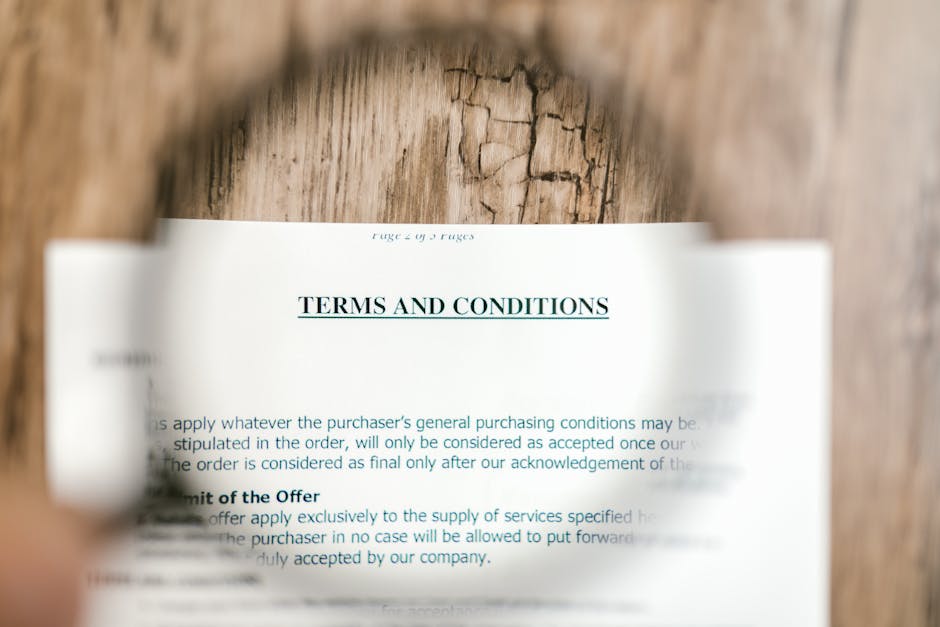
Look for plain wording that describes what the site does and does not helpandadvice.co.uk provide. For example, a website guidance only disclaimer may say that material is general information, is not personalised advice and should not be the sole basis for a decision. This can help set expectations, but the disclaimer does not prove that the rest of the site is accurate. Nor does it remove the need to assess the content itself.
Check whether the wording matches what the site actually does. A page that says it offers general information but then makes firm, personal-sounding recommendations may leave readers unclear about the service. Look for a transparent explanation of the site’s role, its intended audience and any limits on its content.
How to check a site is trustworthy
There is no single badge or test that guarantees reliability. Instead, consider several signals together. The checks below are useful whether you have found a specialist publisher such as Help & Advice or a page from a larger organisation.
- Identify the publisher. Look for an organisation or person’s name, contact details and an explanation of who is responsible for the site. Check the About, Contact and editorial policy pages where available.
- Check the evidence. Reliable explanations distinguish facts from opinion and link to relevant sources. Follow important links and see whether they support the statements being made.
- Check dates and updates. A publication date helps you judge when a page was written; an update date may show that it has been reviewed. Neither date guarantees accuracy, so check the underlying sources too.
- Compare with independent sources. For important decisions, look for the same basic information on official or well-established sites. Pay attention if sources disagree, and investigate why.
- Notice how uncertainty is handled. A careful site explains conditions, exceptions and gaps in its information. Be cautious if complex matters are presented as having one certain outcome for everyone.
- Review commercial interests. Find out whether the site earns money from advertising, referrals or product links, and whether those relationships are explained clearly.
- Check the practical details. Look for working navigation, readable pages, functioning contact routes and a privacy notice. These do not prove editorial quality, but they can help you assess whether the site is maintained and transparent.
These checks are more useful than relying on a site’s appearance alone. A small site can publish careful, sourced material, while a polished site may contain outdated or weakly supported claims.
What does a 404 page tell you?
A 404 page appears when the page you requested cannot be found. This can happen because a page has moved, a link was typed incorrectly or the publisher has removed the material. One 404 error is not, on its own, proof that a site is unsafe or unreliable. Even well-maintained sites can have broken links.
What matters is how easy it is to recover and continue checking the site. A useful 404 page should explain that the page is unavailable and offer sensible routes back, such as a link to the home page, a search box or links to related sections. Clear navigation can help you find the information elsewhere without encouraging you to enter personal details into an unfamiliar page.
Take more care if a site has many broken pages, links that lead to unrelated destinations, or no obvious way to reach its main sections or publisher information. Try the site’s search function or navigate from its home page. If you cannot locate the original source or confirm the content elsewhere, avoid relying on that page for an important decision.

Disclaimers and liability limits: what they do and don’t mean
Some sites use a liability limitation statement to explain that content is general, may change and may not cover every situation. Such wording can clarify the publisher’s position, but it should be read alongside the actual page, the site’s terms and any applicable consumer protections. A disclaimer is not a substitute for accurate content, and its presence does not automatically make a site reliable.
Be wary of language that is hard to understand, hidden away or inconsistent with the site’s presentation. If a page makes strong claims, check whether its qualifications are visible and whether the sources are provided. A disclaimer should not be used to make readers think that an unsupported claim has been verified.
This article is general information, not legal, financial or other professional advice. It cannot assess a particular website or tell you what decision is right for you. Rules and circumstances can vary, and you should check authoritative sources where the details matter.
Look closely at affiliate links and advertising
Some information sites earn commission when readers click a link or make a purchase. That does not automatically make the content unreliable, but a clear disclosure helps you understand the commercial relationship. Consider whether the site explains how it may earn money and whether that could affect the products or services it features.
For example, a publisher may disclose participation in the Amazon Services LLC Associates Program, an affiliate advertising programme designed to provide a means for sites to earn advertising fees by linking to Amazon.com. The site may use tools such as Amazon Associates to manage or create affiliate links. A disclosure should make the relationship understandable to readers rather than obscure it in technical wording.
When you see a product link, distinguish the publisher’s explanation from the retailer’s own information. Check the price, terms, availability and product details on the retailer’s page before acting. A commission disclosure tells you about a possible financial connection; it does not confirm that a product is suitable, independently tested or the best option.
Check claims against appropriate sources
For topics involving regulation or consumer rights, use the relevant official source as well as the publisher’s explanation. In the UK, the Financial Conduct Authority (FCA) is a regulator for parts of the financial services sector. Its official information can help readers check matters within its remit, but it is not the regulator for every product, company or consumer issue. Identify which organisation is responsible for the subject you are researching.
When comparing sources, check that they are discussing the same product, date and circumstances. A general article may simplify a topic for readability, while an official page may provide more detailed rules or definitions. If something important remains unclear, seek help from an appropriate qualified or official service rather than guessing.
A quick reliability checklist
What to check A useful sign A reason to pause Publisher identity Named publisher, clear contact route and relevant site information No explanation of who runs the site or how to contact them Sources Links to relevant, recognisable sources that support the claims Important claims with no evidence, or links that do not support them Currency Dates and a sensible approach to reviewing changing information Time-sensitive claims with no date or signs the page is out of date Disclosures Clear explanation of affiliate links, advertising and limitations Commercial relationships are hard to find or understand Navigation Working menus, search and helpful routes from a 404 page Repeated broken links or no practical way to locate key pagesDo your own research before acting
Doing your own research does not mean you have to investigate every detail from scratch. It means checking the points that could affect your decision and not treating one website as the final word. The level of checking should match the importance and potential consequences of the decision.
- Write down the specific claim or question you need to verify.
- Check the date, source and any conditions attached to the information.
- Compare it with an appropriate official or independent source.
- Read relevant terms directly from the organisation offering the product or service.
- Pause if you are being hurried, asked for sensitive details unexpectedly or promised a guaranteed outcome.
- For significant legal, financial or health matters, consider contacting a suitable professional or official service.
Keep records of the pages and terms you relied on if the decision is significant. Online content can change, and saving a date or copy may help you remember what information was available when you checked.
What to do next
Before relying on an information site, identify its publisher, read its limits and disclosures, follow the sources behind key claims, and test whether its navigation works. If you reach a 404 page, use the site search or return to its home page; do not assume the missing page is still accurate or available elsewhere.
Then compare important details with an appropriate independent or official source. If the information remains unclear or the consequences could be serious, do not rely on a general website alone. Seek help from a relevant qualified or official service, and make your decision only after checking the facts that apply to your situation.